

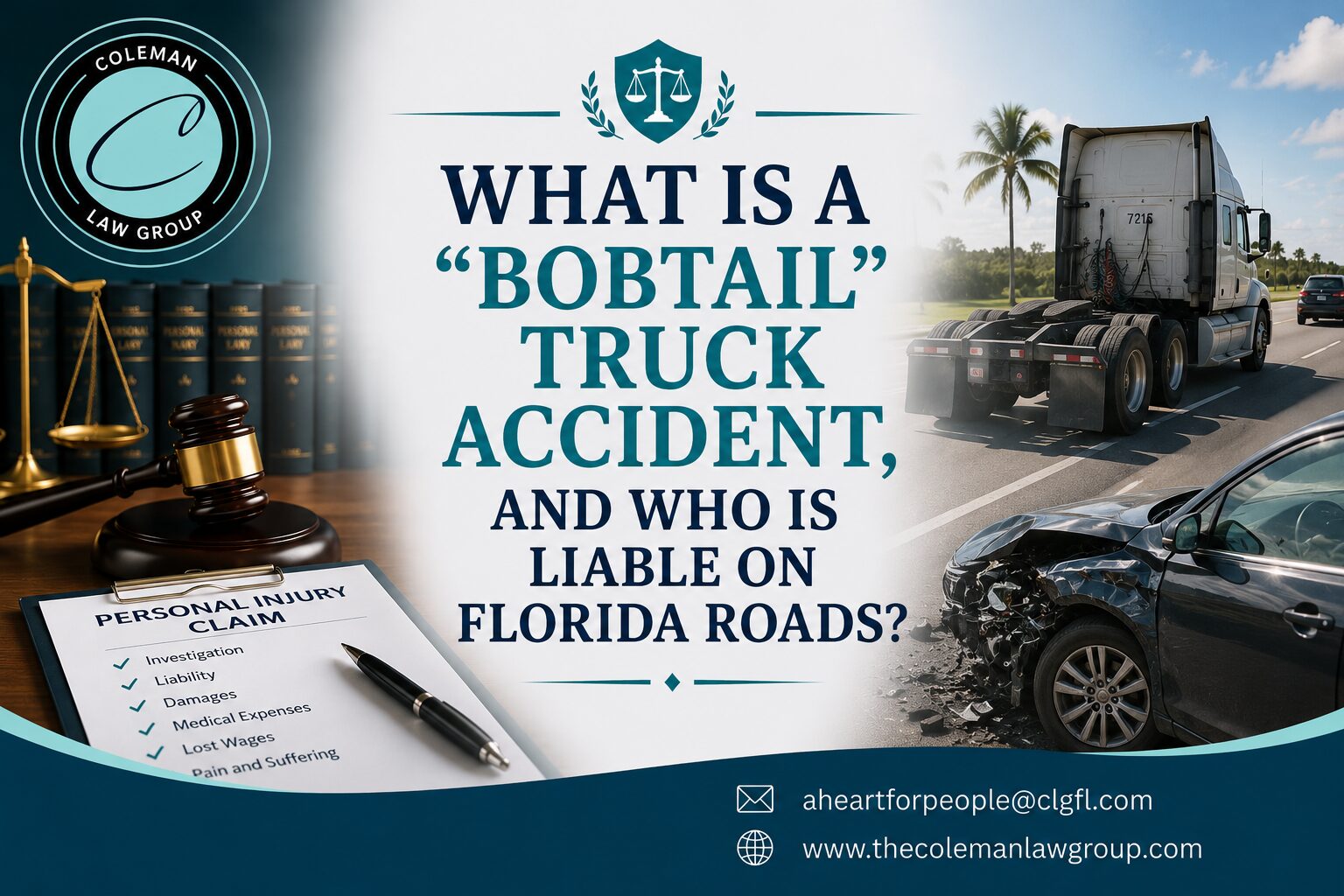
Most drivers assume a semi-truck always hauls a massive trailer, but tractors frequently head down the highway solo. Industry folks call this “bobtailing.” It’s a common misconception that losing the trailer makes a truck safer just because it’s lighter. Still, the reality is that a bobtail tractor is actually a far bigger hazard for everyone else on the road.
These vehicles aren’t meant to run empty. Their braking and suspension systems are balanced for a fully loaded trailer, so taking that away throws the whole geometry off. That said, when you unhook the trailer, you lose the weight that keeps the rear tires glued to the road. This throws the whole truck off balance and makes the back end jumpy. You might think it would be easier to drive, but the opposite is true—it makes the tractor prone to sliding or spinning out the second the driver makes a sharp move or slams on the brakes.
These trucks are a massive liability to other drivers. A tractor is still a beast of a vehicle, and once it loses its footing, it’s basically gone. A driver simply cannot recover from that kind of skid. If you ended up injured because of a bobtail rig, you need to look at it differently; this wasn’t just bad luck. It was the company’s failure to follow proper safety rules. Recovering from these crashes is rarely straightforward because insurance companies treat them differently from standard wrecks. You need to contact a qualified law firm for a semi truck with no trailer injury claim to make sure you have someone on your side who knows how to handle these specific cases.
Investigating How the Crash Occurred
A police report might claim the driver lost control, but that doesn’t explain why a bobtail tractor becomes such a dangerous piece of machinery on its own. To win your case, you cannot just rely on a standard accident report. You have to prove that the fundamental instability of the truck is what actually caused the crash, which is exactly why you need to hire a personal injury lawyer for a bobtail truck crash who understands these nuances. This step is necessary to move the case away from general assumptions and prove exactly how the vehicle’s movement caused the collision.
-
Using Truck Data to Prove Fault
Modern semi-trucks come with an electronic control module called a black box that tracks everything happening in the moments before a crash. It logs speed, acceleration, and braking intensity with total precision. When a tractor is operating solo, its weight distribution makes it incredibly prone to skidding, even during routine stops. By analyzing these logs, we can tell if the driver was operating in a way that was fundamentally unsafe for the vehicle’s setup. This digital evidence is gold because it paints an objective picture of the driver’s actions, making it much harder for insurance adjusters to dodge the truth.
-
Reconstructing the Accident Scene
There is no substitute for a thorough accident reconstruction. Specialists analyze the scene to visualize how the truck behaved, mapping out exactly how its weight distribution triggered a skid. By tying this to the truck’s digital performance data, they create a comprehensive account of the crash. This effectively dismantles any attempt by the insurance carrier to frame the event as just bad luck. Instead, it proves that the incident was the direct, predictable outcome of how the vehicle was being driven in its vulnerable, empty state.
Securing Crucial Evidence Before It Is Lost
The clock starts ticking the moment a bobtail wreck occurs because the trucking company is already busy building its defense. They aren’t interested in a fair investigation but are looking to protect themselves and wipe away evidence that shows their negligence. If you wait to hire a lawyer for a bobtail truck crash, you are letting them build a narrative that places the blame anywhere but on their own operations, making it much harder to bring the real cause of the crash to light.
-
The Importance of Immediate Action
The most powerful tool in your legal arsenal is a formal notice sent to the trucking company, often called a spoliation letter. This is a legal demand that requires them to preserve all evidence related to the crash. This includes the black box logs, maintenance records, and the driver’s communication history. If you don’t issue a legal warning immediately, the company will have free rein to overwrite digital logs and lose track of inspection reports that could indicate a mechanical failure. It is incredibly common for crucial records about failing brakes or suspension problems to vanish after a wreck. Taking swift legal action to lock down this paperwork ensures they cannot destroy the proof needed to hold them accountable.
-
Why Delaying Can Harm Your Claim
The evidence in a bobtail crash is notoriously easy to lose. Dispatchers clear their logs, GPS history is purged, and maintenance documents are frequently deleted before anyone can review them. On top of that, highway crews often clear skid marks and debris within days, wiping away the scene before you’ve had a chance to react. If you wait to hire a lawyer for a bobtail truck crash, you are just handing the trucking company the keys to control the defense and let critical evidence disappear. Acting immediately is the only way to lock down the facts and hold the right people accountable for the damage they’ve caused.
The Struggle Over Liability
When a bobtail crash happens, pinpointing blame is rarely straightforward. It isn’t just about one driver messing up; you’re looking at a much bigger web of responsibility. You are looking at a commercial system that spans from the person behind the wheel to the motor carrier who authorized the trip.
-
The Reality of Corporate Responsibility
The most common question victims ask is: Is a trucking company liable if the driver is bobtailing? The answer is almost always yes, provided the driver was on the clock. It doesn’t matter if there’s no trailer attached; if they’re driving that tractor to a pickup, a repair shop, or between jobs, they’re still on the job. Companies love to argue that an empty rig means the driver was running a personal errand. They use that lie to wash their hands of the crash, hoping you’ll buy it so they don’t have to foot the bill for your injuries.
-
The Complexity of Independent Operators
The situation gets even messier when the driver is an independent owner-operator. In these cases, the tractor might belong to an individual but is leased to a larger motor carrier. The carrier will try to hide behind this contract. They’ll likely claim the driver is just a contractor and insist they aren’t on the hook for the crash. Don’t fall for it; that’s just a standard tactic they use to distance themselves from the chaos their drivers cause. However, state and federal laws often look past these contracts. If the truck bore the carrier’s logos or operated under the carrier’s permit number, the carrier is often held responsible. Do not settle for standard corporate denials. When you hire a lawyer for a bobtail truck crash, they will dig through dispatch records and lease agreements to expose the true relationship between the operator and the company. Establishing that the company controlled the driver’s movements is essential to holding it legally accountable for the wreck.
Primary vs. Bobtail Insurance Policies
When you are injured in a bobtail truck accident, you are not just navigating a claim; you are entering a complex web of commercial insurance policies. Trucking companies carry specific types of coverage designed to protect their assets first and your recovery second.
Understanding the difference between bobtail and primary liability trucking insurance is often the deciding factor in whether your claim is paid fairly or not; that is, you are left with the bill.
1. Primary Liability Trucking Insurance
This is the mandatory coverage that trucking companies must carry for all operations. It covers the rig while it is under “dispatch”—meaning the driver is actively working a load or moving under the carrier’s authority. This policy is designed to handle high-dollar claims involving major property damage and severe bodily injury. Because it is the “gold standard” of coverage, trucking companies will often do everything in their power to argue that your accident does not qualify for this policy, in an attempt to dodge the higher limits it provides.
2. Bobtail Liability Insurance
This is a specialized policy intended for when a tractor unit is moving without a trailer. It fills the gap during those times when the truck is being driven but is not actively hauling freight for a motor carrier. Insurance adjusters frequently try to force a claim into this category because it is often a smaller, more limited policy. They will argue that the driver was “off dispatch” to shift the liability away from the main commercial policy and onto this secondary coverage.
Why This Distinction Matters
The trucking company’s goal is to minimize its financial exposure at all costs. Companies often try to dodge their primary liability trucking insurance by mislabeling the driver’s employment status. Don’t let that fly. When you hire a lawyer for a bobtail truck crash, they will demand the company’s internal dispatch logs, GPS data, and lease agreements to dismantle these claims. Instead of letting the company dictate the narrative, this approach forces them to turn over the hard evidence that proves exactly what the driver was doing when the collision occurred. If we find that the company was profiting from the driver’s movement in any way, we hold them to the higher standard of primary liability coverage.
Assessing Your Potential Compensation
There is no fixed amount for the average settlement for bobtail truck accident claims. Because these incidents involve commercial vehicles and frequently result in life-altering injuries, the stakes are far higher than in standard vehicle crashes. A successful claim is not just about paying your current hospital bills; it is about providing the financial stability you need for the rest of your life.
-
Measuring Long-Term Damages
Insurance companies often focus on immediate costs, but your recovery will likely last much longer. We look at the full picture of your needs, including future surgeries, ongoing physical therapy, and the cost of daily help if you cannot perform basic tasks. If you can no longer return to your previous job, we also calculate the loss of your future earning power. This ensures that a temporary injury does not turn into a permanent financial hardship.
-
The Impact of Corporate Negligence
A significant portion of your settlement depends on proving company negligence. The entire dynamic of a case shifts once evidence surfaces showing that a carrier ignored safety rules, pushed a driver to work while exhausted, or neglected maintenance on an inherently unstable tractor. Juries and insurance adjusters alike react differently when they see a pattern of corporate greed. Holding them accountable for their choices often forces a much larger, more honest settlement than the company would ever offer on its own.
-
Rejecting Early Settlement Offers
Shortly after an accident, you’ll likely hear from an adjuster pushing for a quick, low-ball settlement. It’s a calculated trap to get you to sign a release before the true extent of your injuries becomes clear. If you take the bait, you forfeit your right to ask for another dime, no matter how much your medical debt grows. Don’t settle for their initial number. You need a resolution that reflects the actual disruption to your life, rather than accepting a payout that only covers the items that look clean on their ledger.
Securing Your Future After a Serious Crash
A bobtail truck accident is never just a simple traffic mishap. It is a complex legal and technical challenge that requires a deep understanding of corporate responsibility, commercial insurance structures, and the unique mechanics of empty tractor units. At the Coleman Law Group, we understand that you are not just fighting for a check, but for the resources you need to manage your medical care, replace your lost wages, and stabilize your future. Do not let a trucking company’s attempt to deflect blame leave you to bear the financial burden of their negligence.
You shouldn’t have to pay the price for a company’s negligence. We’ve built our reputation on refusing to accept the excuses they love to hide behind. When we take on a case involving a bobtail collision, we aim to prove exactly who was in the driver’s seat with respect to corporate control. If you or a family member has been injured, let’s talk about it. You can call us at 727-214-0400 or email aheartforpeople@clgfl.com whenever you’re ready to talk.