

Navigating the legal maze can often be a big task, especially when it has to do with complex immigration laws. Of course, each immigration option comes with its level of difficulty, but the VAWA self-petition is often regarded as one of the most difficult of them all. However, it has also proven to be a viable option to help abuse victims escape their oppressors without fear of deportation.
But for all of its benefits, the success of your application may depend on how well you present your VAWA self-petition. So, it becomes crucial that you get it spot on. However, this is often easier said than done, especially since most VAWA self-petition applicants are not really familiar with the whole process. Luckily, this article will offer you a step-by-step guide to help you with your VAWA self-petition.
Step-by-Step Guide to VAWA Self-Petitioning
Basically, there are two steps to securing a Green Card as a VAWA victim, and they sound rather straightforward. The first step is to apply for VAWA approval, while the second has to do with applying for a change of status (Green Card). For the first step, applicants will have to fill out and submit the USCIS Form I-360 along with the necessary documents. After this form is approved, applicants may move to the second step which involves filling out Form I-485. However, spouses of abusive victims can be allowed to fill out and submit both forms concurrently if they please.
How to Fill Out Form I-360
This first step to your VAWA self-petition is essential. Like any other immigration form, the Form I-360 can be pretty straightforward to fill. However, you may need a bit of help to understand each segment, so here are some pointers for you.
- If you’re still living with the abuser, you might want to fill in a different address in part 1 of the form. However, you want to ensure you have easy access to the address you provide since all updates will be sent there.
- In case you don’t live with the abuser or you prefer to use your own address, you can skip part one and move to the next part.
- If you’re a self-petitioning spouse or child, you’re expected to tick either box “I” or box “J” in part 2. You will also be required to provide correct personal information in parts 3 and 4.
- You’re expected to skip parts 5 and 6 as are only relevant for Amerasians and special immigrant court-dependent cases respectively.
- Part 7 requires you to provide information about the abuser and your relationship with them.
- You’re not expected to fill out part 8, as it addresses special immigrant worker petitions.
- If you are petitioning as a spouse of the abuser, part 9 requires you to provide the names of all your children and those of the abuser.
- Part 10 provides a signature space, and you’re expected to sign there.
- Part 11 only applies if someone else helped you fill out this form. If that’s the case, then the person is expected to answer the question as requested.
Documentations and Basic Requirements to Attach to Your Form I-360
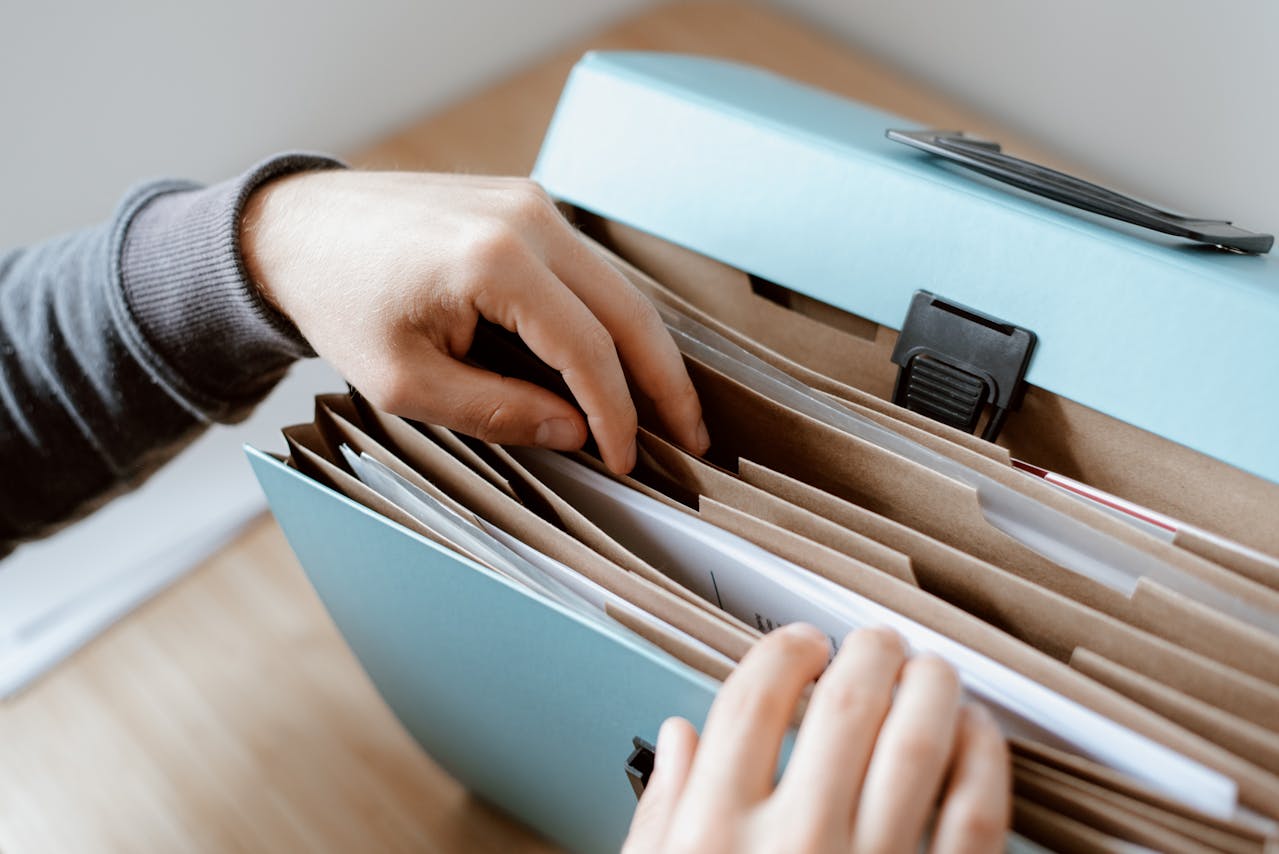
After filling out your Form I-360 correctly, you can submit it along with the other requirements. Here’s a list of some other documents you’ll need to provide.
- A self-written letter of appeal is known as the Personal Declaration Letter.
- Proof of relationship with the oppressor. Remember that only spouses, children, and parents of US citizens and permanent residents qualify for this visa.
- Proof that the said oppressor is a lawful US citizen or Green Card holder.
- If you are an abused spouse, you’ll need to provide proof that you entered into the marriage in good faith.
- Proof that you currently live with or lived with the abuser at some point.
- Since this visa only applies to people already in the United States, you’ll need to provide proof of residence.
What to Expect After Submitting Form I-360
After carefully putting together and submitting your Form I-360 correctly, then the official waiting process begins. This process often takes about 24 – 30 months, depending on several factors. However, you can expect to be kept in the loop about the progress of your visa petition. First, the USCIS will send an acknowledgment mail to you stating that they have successfully received your submission.
Next, your Form I-360 will be subjected to preliminary review or “prima facet verification”. This process aims to assess your submission to see if it is true and can be approved. If it is not, you might be contacted to provide the correct or corresponding information within a limited period. But if it is approved, you’ll receive a prima facie case approval mail. Of course, this doesn’t automatically indicate that your VAWA self-petition will be approved too. However, it does allow you to enjoy certain benefits pending when the actual processing is completed.
If your Form I-369 eventually gets approved, you’ll receive another mail informing you so. This means you can expect your visa anytime soon. It also means that you can start to apply for your Green Card immediately. However, this option is only available if your abuser is a US citizen. If not, or in cases where the abuser is only a Green Card holder, you’ll need to wait for your visa before starting any other applications.
The Coleman Law Group Can Help Your VAWA Self-Petition
In any case, the VAWA self-petition process can be complex, and you’ll definitely want an expert law practitioner to put you through it. At the Coleman Law Group, we are always available and dedicated to helping you get your VAWA self-petition process over the line. We do not only assist in the paperwork preparation and documentation, but you can also count on us to be there for you throughout the entire process.